
Japanese garden fountains, a captivating blend of artistry and nature, transcend mere water features. Their design embodies centuries of cultural and philosophical ideals, translating into spaces of serene contemplation and profound beauty. From meticulously crafted stonework to the subtle choreography of water, each element contributes to a unique aesthetic experience. This exploration delves into the heart of Japanese garden fountain aesthetics, revealing the historical context, design principles, and symbolic meanings that shape this timeless art form.
This detailed analysis will encompass the key elements that define Japanese garden fountain aesthetics. It will encompass a comprehensive examination of design principles, water features, materials, spatial considerations, and visual harmony. The discussion will explore the evolution of the style, from traditional forms to modern interpretations, while highlighting the enduring principles that underpin these remarkable creations.
Defining the Aesthetic
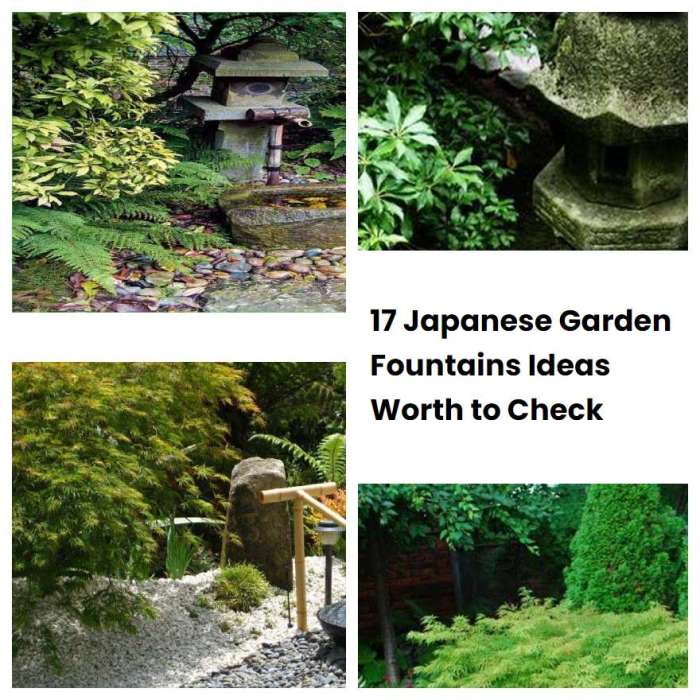
Japanese garden fountains, integral to the serene landscape aesthetic, embody a philosophy of harmony with nature. Their design reflects a deep respect for the natural world, emphasizing tranquility and contemplation over ostentatious displays. The careful selection of materials, meticulous placement, and symbolic meanings contribute to the unique character of these water features.Japanese garden fountains, unlike their Western counterparts, are not primarily designed for spectacle.
Instead, they are crafted to create a subtle, contemplative experience, reflecting the philosophical underpinnings of Zen Buddhism and Shinto. The flowing water, often combined with carefully chosen plants and rocks, encourages a meditative state and fosters a connection with the natural world.
Core Elements
The core elements of Japanese garden fountains are often subtle yet powerful. These elements typically include carefully placed rocks (ishi) representing mountains and islands, meticulously sculpted sand (karesansui) depicting landscapes, and strategically placed vegetation, creating a miniature, idealized representation of nature. The water itself, often cascading or flowing gently, is a key component, symbolizing the continuous cycle of life and death.
The overall design strives for a sense of balance and harmony, mirroring the principles of natural order.
Historical and Cultural Influences
The aesthetic of Japanese garden fountains evolved over centuries, shaped by the cultural and philosophical values of the region. Influences from Zen Buddhism, emphasizing mindfulness and meditation, played a pivotal role in shaping the minimalist aesthetic, with a focus on serenity and tranquility. Shinto beliefs, centered on reverence for nature, also contributed significantly, leading to a design that sought to harmonize with the surrounding environment.
The careful selection of materials and the symbolism associated with different elements further reflect these cultural influences.
Symbolism and Meaning
Japanese garden fountains often carry symbolic meanings. Water, for example, is frequently associated with purification, renewal, and the cyclical nature of life. The gentle flow of water symbolizes the ever-changing, yet constant, rhythm of nature. Rocks and stones often represent mountains, islands, and the enduring power of the natural world. Plants and vegetation contribute to the symbolic richness, representing growth, vitality, and the interconnectedness of all things.
These symbolic layers enhance the depth and meaning of the experience.
Materials
A wide array of materials are employed in Japanese garden fountains, each with its own cultural significance. Stone, often polished or carved, is a prominent material, symbolizing strength, permanence, and the enduring beauty of nature. Wood, used for structures and accents, adds a warm, natural element. Copper and bronze, used for details and accents, bring a sense of elegance and sophistication.
The selection of materials contributes to the overall aesthetic, echoing the harmony between nature and human craftsmanship.
Comparison with Other Styles
While all fountain styles aim to create a sense of beauty and tranquility, Japanese garden fountains differ significantly from other styles. Western fountains, for example, often prioritize grandeur and spectacle, with elaborate sculptures and monumental designs. Islamic fountains, conversely, may focus on intricate geometric patterns and ornate details. Japanese designs, however, emphasize minimalism, subtlety, and a deep connection to the natural world, striving for a tranquil, meditative experience, rather than a showy display.
Design Principles
Japanese garden fountains, integral to the serene aesthetic, adhere to specific design principles rooted in centuries of tradition. These principles prioritize harmony with nature, reflecting the philosophy of wabi-sabi, which embraces imperfection and the transient beauty of the natural world. The placement and design of these fountains are meticulously considered to evoke a sense of tranquility and spiritual connection.The careful integration of natural elements and materials is paramount.
These elements, including water, stone, and plants, are not merely present; they are carefully chosen and arranged to create a cohesive and immersive experience. This intentional integration emphasizes the ephemeral and interconnected nature of life and the environment.
Natural Elements and Materials
The use of natural materials like stone, wood, and gravel is central to the design of Japanese garden fountains. Stones, often chosen for their unique shapes and textures, are meticulously placed to mimic natural formations. Water, the lifeblood of the garden, is carefully channeled through meticulously crafted stonework, emphasizing the fluidity and dynamic nature of water. The incorporation of indigenous plants, meticulously selected for their visual appeal and ability to complement the overall design, further enhances the natural ambiance.
The interplay of these materials contributes to a sense of authenticity and rootedness in the natural world.
Fountain Shapes and Sizes
Japanese garden fountains exhibit a diverse range of shapes and sizes, reflecting the multitude of garden styles and the specific spaces they occupy. A common theme is the use of natural forms, such as waterfalls, cascading streams, and gently flowing ponds, creating a dynamic interplay of water and stone. Small, intricate stone basins, featuring gentle trickling water, are often used to emphasize tranquility.
Larger, more elaborate structures, such as cascading waterfalls or sculpted stone tanks, are used in gardens of greater scale and complexity, creating a powerful sense of natural grandeur.
Balance and Harmony
Achieving balance and harmony is crucial in Japanese garden fountain design. The arrangement of elements, including the placement of the fountain, the choice of materials, and the surrounding landscape, is meticulously considered to create a sense of equilibrium and interconnectedness. This principle extends beyond the visual; it aims to harmonize with the natural rhythm of the environment and the spiritual harmony within the space.
Symmetry, asymmetry, and the use of negative space are all carefully considered in order to evoke a sense of calm and spiritual depth.
Comparison of Japanese Garden Fountain Designs
| Type of Design | Key Features | Typical Materials | Example |
|---|---|---|---|
| Rock Basin Fountain | Small, simple basins carved from stone, often with a gentle trickle of water. | Stone, water | A shallow, sculpted stone basin with a small, tranquil water feature. |
| Waterfall Fountain | Large, cascading structures that simulate natural waterfalls. | Stone, water, wood | A sculpted rock face with a cascade of water flowing down. |
| Pond Fountain | A central pond with a water feature integrated within it. | Stone, water, plants | A serene pond with a small, sculpted island, waterfall, or bubbling spring. |
Water Features and Techniques
Japanese gardens, renowned for their serene beauty, intricately weave water features into their designs. These elements are not merely decorative; they represent the natural flow of life and the harmony between humans and nature. The careful placement and design of water features play a crucial role in creating a tranquil and meditative atmosphere.The artful integration of water, stone, and vegetation dictates the garden’s ambiance and overall experience.
This interplay of elements fosters a deep connection to the natural world, mirroring the principles of Zen Buddhism and the concept ofwabi-sabi*. The essence of a Japanese garden is not just the physical elements but also the subtle emotional resonance they evoke.
Integration of Water Features
The placement of water features in Japanese gardens is a deliberate act, often mimicking natural landscapes. Streams, ponds, and waterfalls are strategically positioned to enhance the garden’s overall flow and visual appeal. The placement and design should not only be visually appealing but also promote a sense of tranquility and harmony with the surrounding environment. This thoughtful arrangement underscores the deep respect for nature’s rhythms and beauty.
Water Movement Techniques
Japanese gardens utilize various water movement techniques to evoke different moods and sensations. Slow, meandering streams, cascading waterfalls, and gently bubbling ponds are common features, each contributing to the garden’s unique character. These techniques aren’t simply about aesthetics but also about the auditory experience, where the gentle sounds of flowing water create a meditative atmosphere. The precise design of water movement is key in shaping the emotional impact of the space.
Natural Materials in Water Features
Natural materials like stone, gravel, and vegetation are integral to Japanese garden water features. The choice of stone, whether smooth river stones or rough, textured boulders, contributes to the garden’s visual texture and personality. Gravel, carefully raked and arranged, forms paths and emphasizes the flow of water. Plants, strategically placed, frame the water features, adding depth and a sense of natural growth to the overall landscape.
The harmony of these elements is crucial to the aesthetic of the garden.
Water Sounds and Their Effects
The sounds of water are an essential part of the experience in a Japanese garden. The gentle trickle of a stream, the rhythmic splashing of water over rocks, or the gentle bubbling of a pond all contribute to the calming and meditative atmosphere. These sounds have a profound effect on the visitor, inducing relaxation and a sense of peace.
For example, the consistent sound of a small waterfall can create a sense of tranquility and focus.
Water Feature Types and Aesthetic Impact
| Water Feature Type | Aesthetic Impact |
|---|---|
| Meandering Stream | Creates a sense of serene movement and flow, promoting a peaceful atmosphere. |
| Cascade Waterfall | Evokes a sense of dynamism and energy, showcasing the power of nature’s forces in a controlled manner. |
| Bubbling Pond | Promotes a sense of calm and tranquility, creating a focal point for contemplation and reflection. |
| Waterfall with Rock Formations | Creates a dramatic visual effect, showcasing the artistry of nature and the interaction between water and stone. |
| Hidden Spring | Introduces an element of mystery and surprise, adding intrigue to the garden’s overall design. |
Materials and Construction
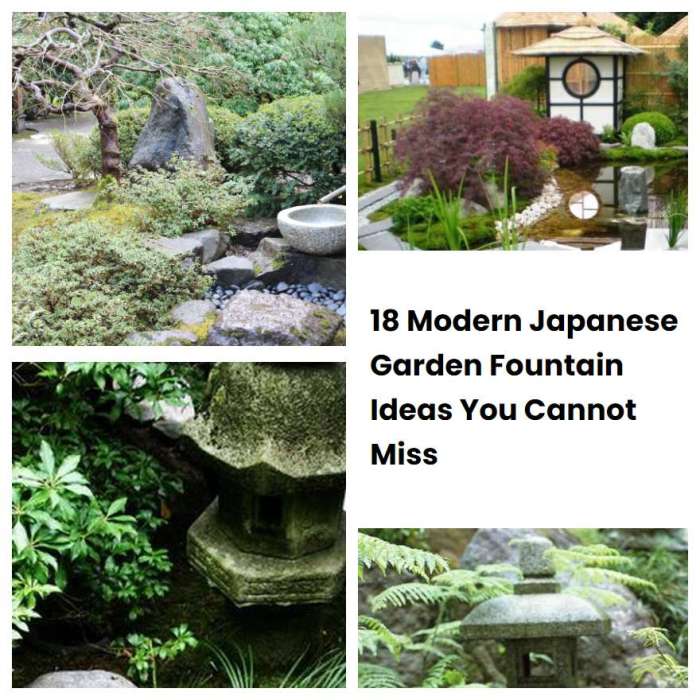
Japanese garden fountains, integral to the serene aesthetic, showcase meticulous craftsmanship and a deep respect for natural materials. Their construction reflects the philosophical harmony between humans and nature, evident in the careful selection and treatment of materials. The artistry extends beyond mere functionality, aiming to create a timeless connection to the surrounding landscape.
Traditional Materials
The traditional materials employed in Japanese garden fountains are chosen for their aesthetic qualities and durability. Stone, primarily from local quarries, is a prevalent choice. Different types of stone, varying in color, texture, and density, offer diverse visual appeal and create unique character in the design. Wood, often treated to resist decay, plays a supporting role in the structure and decorative elements.
Bronze, with its enduring quality, is used for intricate details and accents, adding richness and depth to the design. Copper, due to its natural patina, is another option, offering an aged, almost mystical character to the fountain’s appearance.
Craftsmanship and Techniques
The creation of a Japanese garden fountain hinges on the high level of craftsmanship. Skilled artisans meticulously carve and shape stone to achieve the desired forms, ensuring the seamless integration of the fountain with the surrounding landscape. Sophisticated joinery techniques, often employing traditional methods passed down through generations, are crucial for constructing the water channels and reservoirs within the fountain.
The delicate sculpting of water features, from cascading streams to tranquil pools, necessitates a deep understanding of water dynamics and hydraulic principles.
Water Feature Techniques
Water features in Japanese garden fountains are meticulously designed to evoke a sense of tranquility and movement. Careful shaping of channels and waterfalls allows for controlled water flow, creating a mesmerizing display of flowing water. The use of strategically placed rocks and stones directs and filters the water, creating unique patterns and sounds. Traditional techniques for creating miniature waterfalls and cascading streams involve shaping the stonework to mimic natural water features.
The placement of strategically positioned rocks guides water flow, creating a visually compelling and harmonious effect.
Evolution of Materials
The choice of materials in Japanese garden fountains has evolved over time, reflecting societal and technological advancements. While stone remained a cornerstone, the introduction of bronze and copper in certain periods added complexity and artistic richness. Later periods might have incorporated metal alloys or other refined materials, influenced by artistic trends and readily available resources.
Material Comparison
| Material | Pros | Cons |
|---|---|---|
| Stone (e.g., granite, basalt) | Natural beauty, durability, timeless appeal, relatively low maintenance | Can be heavy and difficult to transport and carve, susceptible to weathering in certain climates |
| Wood (e.g., cedar, cypress) | Aesthetically pleasing, allows for intricate carvings, relatively light and easy to shape | Susceptible to decay and insect damage if not treated properly, requires regular maintenance |
| Bronze | Durable, resistant to corrosion, high aesthetic appeal, can create detailed castings | Expensive, can be heavy and difficult to work with |
| Copper | Unique patina, aesthetically pleasing, naturally resistant to some corrosion, develops a beautiful aged appearance over time | Can be expensive, prone to oxidation in some conditions, requires occasional cleaning |
Spatial Considerations
The spatial arrangement of a Japanese garden fountain is crucial to its success. Beyond the fountain itself, the surrounding environment profoundly impacts the tranquility and aesthetic appeal, echoing the garden’s philosophy of harmony with nature. Careful consideration of landscaping, plant life, and placement directly affects the perceived energy and atmosphere, creating a space conducive to meditation and appreciation.The interplay between the fountain and its surroundings is paramount.
A well-placed fountain, integrated seamlessly into the landscape, enhances the overall experience. The surrounding environment should complement the fountain’s design, not overwhelm it, ensuring the visual harmony of the entire space.
Surrounding Landscaping and Plant Life
The choice and arrangement of plants play a pivotal role in establishing a Japanese garden fountain’s ambiance. Native species, often pruned into formal shapes, create a sense of order and respect for nature. Their placement and density influence the flow of light and shadow, enhancing the experience of serenity and contemplation. Japanese maples, bamboo, and flowering cherry trees are frequently employed for their visual appeal and cultural significance.
Proper selection and arrangement contribute significantly to the garden’s overall aesthetic. This careful selection and positioning of plants creates a sense of balance and natural rhythm, enhancing the visual appeal of the fountain.
Placement and Energy Flow
The placement of a Japanese garden fountain impacts the perceived flow of energy and atmosphere. Feng shui principles often guide the positioning, aiming to maximize positive energy and minimize stagnation. Water features are often strategically located to enhance the flow of Qi (life force), which is believed to create a more balanced and harmonious environment. The placement also needs to consider line of sight, ensuring the fountain is visible from key vantage points within the garden, maximizing its visual impact.
Creating a Sense of Serenity
Several methods can be employed to create a sense of serenity around the fountain. Careful selection of materials, such as natural stone and wood, enhances the connection to nature. The integration of pathways, bridges, and other elements that encourage mindful movement further enhances the sense of peace. Soft lighting, such as lanterns or strategically placed lighting fixtures, can create a serene ambiance, particularly at night.
This gentle illumination emphasizes the details of the garden and enhances the experience for evening visitors. A tranquil soundscape, created by the gentle lapping of water and the chirping of birds, can further amplify the sense of peace and quietude.
Landscaping Elements and Their Impact
| Landscaping Element | Impact on Fountain Ambiance |
|---|---|
| Gravel Paths | Define movement, create a sense of calm, enhance the visual connection between the fountain and the surrounding landscape. |
| Stone Walls | Provide structure, create a sense of enclosure, and emphasize the garden’s formal aesthetic. |
| Waterfalls/Streams | Create a dynamic element, echoing the fountain and extending the water feature’s impact throughout the garden. |
| Zen Gardens | Foster contemplation, emphasize serenity, and visually connect with the surrounding nature. |
| Bamboo | Introduce natural elegance, create texture, and add a sense of refinement to the overall ambiance. |
| Flowering Trees | Introduce vibrant colors and a seasonal cycle to the garden, adding dynamism and visual interest. |
Visual Harmony and Composition
Japanese garden fountains, more than mere water features, are meticulously crafted expressions of Zen principles. Their visual harmony transcends practicality, aiming to evoke a sense of serenity and contemplation. Achieving this harmony relies on a deep understanding of composition, color, texture, and the strategic use of negative space.The visual language of a Japanese garden fountain speaks volumes about its creator’s intentions.
Careful placement of elements, be it the cascading water, the sculpted stone, or the surrounding plantings, is crucial in establishing a cohesive and aesthetically pleasing whole. This is not about mere decoration; it’s about creating a microcosm of the natural world, distilled and imbued with spiritual significance.
Principles of Visual Harmony
Visual harmony in a Japanese garden fountain is achieved through a balanced interplay of elements. This balance extends beyond just symmetry, encompassing a more nuanced relationship between form, color, and texture. A key principle is the use of contrasting yet complementary elements, creating a dynamic tension that still maintains an overall sense of peace. This interplay, rather than rigid adherence to strict rules, allows the design to evolve organically, reflecting the essence of the natural world.
Color and Texture in Balance
Color and texture work in tandem to create a sense of visual equilibrium. Traditional Japanese garden fountains often feature muted tones, such as soft greens, browns, and grays, echoing the natural palette of a forest or mountainside. The inclusion of subtle, contrasting textures, like the smooth surface of polished stone juxtaposed with the rough bark of a tree, further enhances this sense of balance and depth.
This careful orchestration of textures and colors, rather than a rigid adherence to a single color scheme, creates a rich and nuanced aesthetic.
Negative Space and Its Impact
Negative space, the empty areas surrounding the fountain, is crucial in Japanese garden design. It allows the focal point—the fountain itself—to breathe and prevents visual clutter. The strategic use of negative space allows the eye to appreciate the details of the fountain and its surroundings without feeling overwhelmed. It also enhances the perceived scale and tranquility of the garden.
The careful management of this empty space is paramount in achieving a sense of harmony.
Common Color Palettes
Common color palettes for Japanese garden fountains include earthy tones such as various shades of brown, gray, and muted greens. These hues draw inspiration from the natural world and evoke a sense of serenity. Occasionally, accents of white or light gray are used to highlight specific elements, creating a sense of clarity and focus. The palette aims for a subdued, natural feel, reflecting the Japanese aesthetic of simplicity and reverence for nature.
Examples of Successful Compositions
| Fountain Design | Compositional Elements | Visual Harmony |
|---|---|---|
| Zen-like Waterfall | Smooth, flowing water; moss-covered rocks; simple, low-profile structures | Evokes tranquility and contemplation; the focus is on the natural flow of water. |
| Stone Basin Fountain | Sculpted stone basin; cascading water; strategically placed moss | Creates a focal point with subtle visual interest; the interplay of stone and water is key. |
| Hidden Spring Fountain | Discreet water source; subtle stone pathways; dense foliage | Emphasizes the natural, hidden aspects of water; creates an air of mystery and serenity. |
These examples illustrate how the skillful arrangement of elements, including water features, stones, and plants, can create a harmonious and evocative scene. The careful selection and arrangement of elements within the garden space are crucial in creating the desired ambiance.
Symbolic Representations
Japanese garden fountains, far from mere decorative elements, are imbued with profound symbolic meaning, reflecting the deep-seated cultural values and aesthetic principles of Japan. These miniature representations of nature’s cycles and philosophical concepts are integral to the overall experience and appreciation of the garden. The carefully chosen elements and their arrangement contribute to a holistic understanding of the space.The symbolism inherent in these gardens often speaks to concepts of harmony, tranquility, and the interconnectedness of life.
The water, a central element, is imbued with a unique significance, reflecting the continuous flow of existence and the cyclical nature of life.
Symbolism of Water
Water, in Japanese culture, embodies a potent symbolism. It is viewed as a purifying force, representing the constant renewal and transformation inherent in nature. The fluidity of water mirrors the ever-changing aspects of life, and its gentle movement evokes a sense of serenity and contemplation. Furthermore, water is associated with the concept of “en,” or the spirit of the environment, connecting the visible world with the unseen.
Specific Elements and Their Meanings
Various elements within the fountain contribute to the overall symbolic message. A flowing stream, for instance, represents the continuous cycle of life, while a still pool might symbolize the stillness and contemplation. Rocks, often strategically placed, represent mountains and other natural formations, invoking a sense of permanence and stability. A small waterfall, cascading down a series of rocks, visually embodies the dynamic interplay of nature’s forces, the relentless march of time, and the eternal cycle of renewal.
The Role of the Fountain in Representing Nature’s Cycles
The fountain, acting as a microcosm of nature, visually embodies the cyclical processes of growth, decay, and renewal. The constant movement of water, whether through a cascading waterfall or a gently flowing stream, symbolizes the continuous interplay of forces within the natural world. The deliberate design of the fountain, including the placement of rocks, plants, and water features, reflects a deep understanding of these natural rhythms and the interconnectedness of all living things.
Table of Symbolic Representations
| Element | Symbolic Representation |
|---|---|
| Flowing Water | Continuous cycle of life, renewal, and transformation. |
| Still Water | Tranquility, contemplation, and the essence of the environment. |
| Waterfall | Dynamic interplay of nature’s forces, the relentless march of time, and the eternal cycle of renewal. |
| Rocks | Permanence, stability, and the natural landscape. |
| Plants | Growth, vitality, and the interconnectedness of nature. |
Practical Considerations
Japanese garden fountains, while aesthetically captivating, require meticulous maintenance to preserve their beauty and longevity. Proper water management, filtration, and pump selection are crucial to ensuring the fountain’s continued operation and the overall health of the garden ecosystem. Ignoring these practical aspects can lead to unpleasant odors, clogged systems, and diminished enjoyment of the tranquil space.
Water Filtration and Purification
Maintaining pristine water quality is paramount for a healthy fountain and the surrounding environment. Contaminants like algae, debris, and minerals can quickly accumulate, affecting the fountain’s appearance and functionality. Effective filtration systems are essential to prevent these issues. The selection of the appropriate filter type depends on the fountain’s design, water volume, and the presence of any specific contaminants.
Choosing a filter with the capacity to handle the fountain’s flow rate is crucial to preventing clogging and maintaining water clarity.
Pump Selection and System Design
Selecting the right pump is critical for efficient water circulation and fountain operation. Pumps must be sized appropriately to handle the water volume and height requirements of the fountain. Oversized pumps can lead to excessive energy consumption and unnecessary wear, while undersized pumps may struggle to maintain the desired water flow. Consider factors like the fountain’s design, the desired water features, and the local water conditions.
Choosing the right pump, and a properly designed plumbing system, can enhance the longevity of the fountain and reduce the frequency of maintenance.
Maintenance and Cleaning Techniques
Regular maintenance is key to preserving the beauty and functionality of Japanese garden fountains. The specific techniques vary based on the fountain type, but consistent cleaning and upkeep are crucial. For example, removing debris and algae from the basin and water features is essential. This can be achieved through regular skimming and vacuuming, depending on the fountain’s design.
In addition, checking the pump regularly for any signs of wear or damage is important to prevent unexpected breakdowns. Proper maintenance prevents the build-up of bacteria, reduces the need for extensive repairs, and extends the fountain’s lifespan.
Maintenance Schedules
The frequency of maintenance tasks depends on several factors, including the fountain’s size, water volume, and the surrounding environment. A well-maintained fountain requires less frequent intervention. Below is a table outlining recommended maintenance schedules for different Japanese garden fountain types.
| Fountain Type | Weekly Maintenance | Monthly Maintenance | Quarterly Maintenance |
|---|---|---|---|
| Small, decorative basin fountains | Skim debris; check pump | Clean basin; inspect filters | Deep clean basin; replace filters |
| Medium-sized cascading fountains | Skim debris; check pump; clear debris from pipes | Clean basin and pipes; inspect pump; check for leaks | Deep clean entire system; replace filters |
| Larger, complex water features | Skim debris; check pump; monitor water level | Clean all water features; inspect all pipes and pumps; check for leaks | Thorough cleaning of all parts; replace all filters; professional inspection |
Evolution of the Style
Japanese garden fountains, imbued with profound cultural and aesthetic significance, have evolved over centuries, mirroring societal shifts and artistic innovations. Their design, meticulously crafted to evoke tranquility and harmony, reflects a continuous interplay between tradition and adaptation. Early forms, grounded in philosophical principles, have transitioned into modern interpretations that seamlessly integrate with contemporary landscapes.
Historical Context of Evolution
The evolution of Japanese garden fountains is intricately tied to the nation’s historical and philosophical development. From the serene Zen gardens of the 12th century to the meticulously planned landscapes of the Edo period, fountains have adapted to reflect changing aesthetics and cultural values. Early designs often prioritized minimalism and simplicity, emphasizing the natural elements and their symbolic representation.
Later, the introduction of more elaborate water features and artistic flourishes became more prominent. This evolution demonstrates a consistent theme of integrating functional water elements into the larger artistic expression of the garden.
Early Designs (Pre-Meiji Period)
Early Japanese garden fountains, primarily found in temple gardens and aristocratic estates, prioritized simplicity and functionality. Water features were often small, reflecting the emphasis on natural processes and minimal intervention. Stone basins, meticulously crafted, served as receptacles for water, creating tranquil pools. The design language was primarily symbolic, drawing on the concept of wabi-sabi, which emphasizes the beauty of imperfection and the ephemeral nature of things.
For example, natural stone, unpolished, often formed the foundation of these early designs, emphasizing the beauty found in nature’s raw form.
Meiji Period and Beyond (Post-1868)
The Meiji period (1868-1912) marked a significant turning point in Japanese garden design, introducing elements of Western aesthetics alongside traditional principles. This fusion is evident in the development of more complex fountain structures, often featuring ornate carvings and intricate designs. However, the fundamental principles of harmony with nature and symbolic representation remained central. For example, the introduction of cast-iron elements from the West influenced the design, yet the emphasis on natural materials and serene environments persisted.
The integration of these new elements further diversified the expression of Japanese garden fountains.
Modern Interpretations
Contemporary Japanese garden fountains often feature modern materials and construction techniques while retaining the core aesthetic principles. Designers frequently use concrete, stainless steel, or other modern materials in innovative ways to create visually striking yet subtly traditional designs. Contemporary artists often employ digital design tools, but the essence of minimalism, harmony, and the integration of nature into the aesthetic remain.
For example, the use of LED lighting can highlight the subtle movements of water within a modern fountain, enhancing the visual appeal without detracting from the inherent tranquility of the space. This blending of old and new allows for a new generation of garden designs.
Timeline of Key Milestones
| Period | Milestone | Description |
|---|---|---|
| Pre-Meiji | Emergence of minimalist designs | Emphasis on natural materials and symbolic representation. |
| Meiji | Fusion of East and West | Introduction of Western materials and elements while retaining traditional principles. |
| 20th Century | Rise of Modern Interpretations | Integration of modern materials and construction techniques while maintaining core aesthetic values. |
| Present | Contemporary Adaptations | Further exploration of modern materials and design languages, while upholding the garden’s tranquility and harmony. |
Modern Interpretations
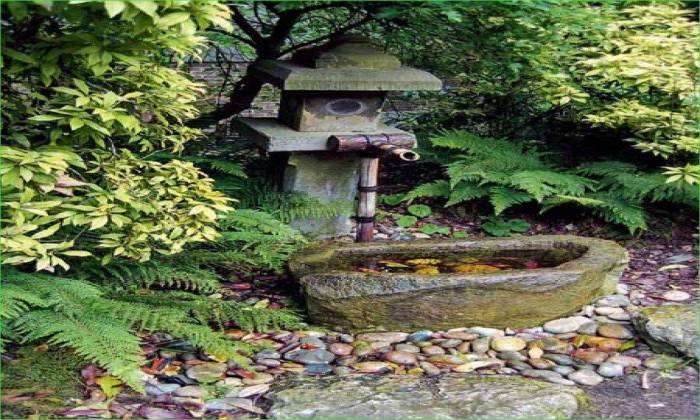
Contemporary designers are breathing new life into traditional Japanese garden fountain aesthetics, embracing a fusion of old and new. This blending of heritage and innovation results in visually striking and functionally sophisticated designs, often reflecting modern sensibilities while honoring the core principles of Japanese garden design. The integration of modern materials and techniques allows for a wider spectrum of creative expression, while maintaining the essential elements of serenity and harmony.
Modern Materials and Techniques
Contemporary Japanese garden fountains leverage a wider range of materials beyond traditional stone and wood. Manufacturers are incorporating composite materials, engineered stone, and even stainless steel, which offer greater flexibility in form and function. 3D printing technology allows for intricate and complex shapes previously unattainable with traditional methods. Advanced water-management systems and pumps offer more precise control over water flow and feature creation.
This advancement leads to a wider range of water features, from subtle drizzles to powerful cascading falls, all within a controlled and aesthetic environment.
Contemporary Design Examples
Numerous contemporary fountains draw inspiration from traditional Japanese styles. One notable example features a minimalist, sculpted stone basin, with a subtle, cascading waterfall crafted from a modern composite material. Another design employs a network of interconnected stainless steel channels that mimic the flow of a mountain stream, integrated with LED lighting to create a mesmerizing play of light and water at night.
These examples showcase how contemporary materials and techniques can achieve a sense of tranquility and visual poetry, drawing inspiration from the natural world.
Incorporation of Modern Technology
Modern technology plays a crucial role in enhancing the experience of Japanese garden fountains. Automated systems can regulate water flow, creating dynamic displays that respond to changing light conditions or seasonal changes. LED lighting integrated into the fountains and surrounding landscaping can accentuate the water’s movement, enhancing the visual appeal and atmosphere. Sensors can detect and respond to water levels, ensuring consistent performance and extending the lifespan of the features.
Smart technology allows for greater control and customization of the fountain’s operation, potentially creating unique, personalized experiences for the user.
Traditional vs. Contemporary Designs
| Feature | Traditional Japanese Garden Fountain | Contemporary Japanese Garden Fountain |
|---|---|---|
| Materials | Stone, wood, ceramics | Stone, composite materials, stainless steel, engineered stone |
| Water Features | Simple, natural flows, cascading waterfalls | Complex, multi-layered flows, interactive water displays |
| Design Complexity | Emphasis on natural simplicity | Intricate shapes, dynamic features |
| Construction | Hand-carved, skilled labor-intensive | Employing advanced technologies and machinery |
| Technology Integration | Limited to traditional water management methods | Automated systems, LED lighting, sensors |
| Aesthetic Focus | Harmony with nature, tranquility | Modern aesthetic, dynamic displays |
This table highlights the key distinctions between traditional and contemporary approaches to Japanese garden fountain design. The evolution reflects a shift from traditional craftsmanship to the utilization of advanced materials and technologies, while still maintaining the core principles of serenity and harmony.
Conclusion
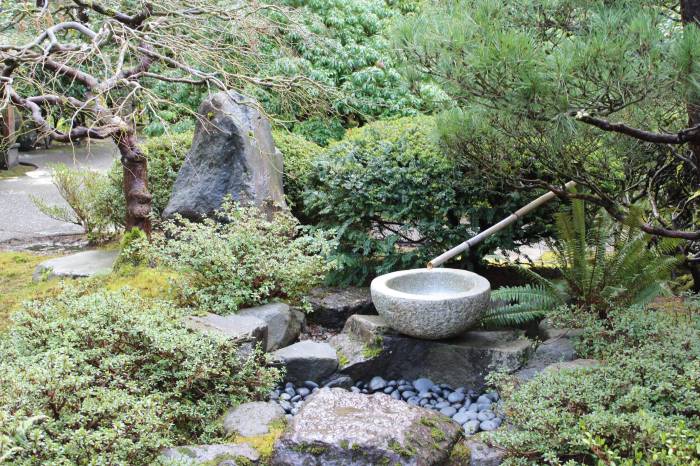
In conclusion, Japanese garden fountains represent a harmonious synthesis of nature, culture, and artistry. Their aesthetic transcends simple aesthetics, inviting contemplation and fostering a profound connection with the environment. This exploration has illuminated the rich history, meticulous design principles, and enduring symbolism of Japanese garden fountains, demonstrating their enduring appeal and timeless relevance.
